
Learn how the federal Weatherization Assistance Program (WAP) gives eligible seniors and low-income households free home energy upgrades worth an average of $6,500 — eligibility, application steps, and how it differs from LIHEAP.
What Is the Weatherization Assistance Program (WAP)?
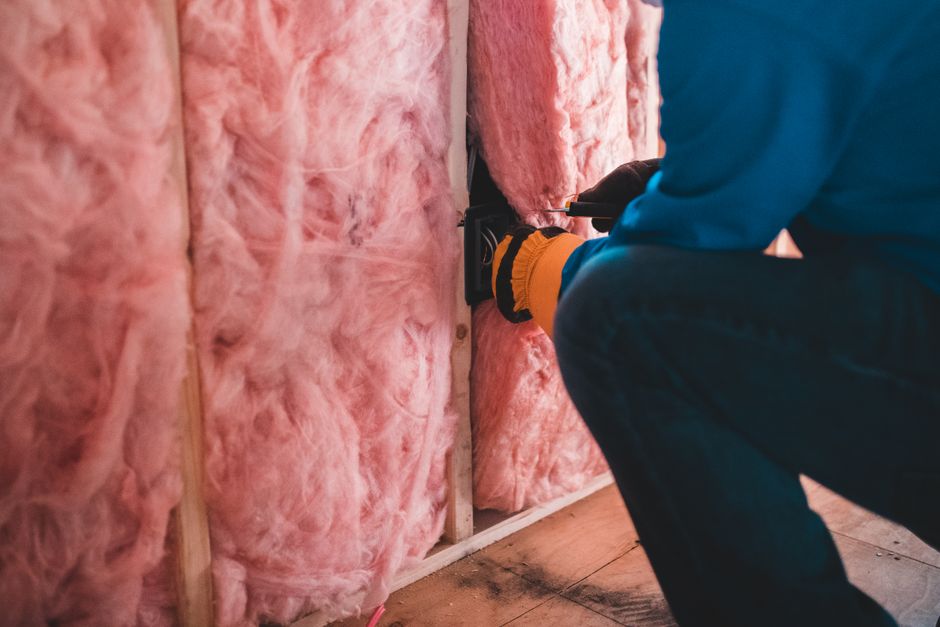
The Weatherization Assistance Program (WAP) is a federal program run by the U.S. Department of Energy (DOE) that pays for home energy-efficiency upgrades — things like insulation, air sealing, and heating or cooling system repair or replacement — at no cost to eligible households.
For fiscal year 2026, the federal budget for WAP is about $329 million, with an average subsidy of roughly $6,500 per home. Around 32,000 homes are weatherized through the program each year.
It’s important to understand what WAP is not: it is not a cash payment. Instead, it’s an in-kind home improvement service. The goal is to permanently lower your monthly energy bills while improving the safety and comfort of your home.
WAP vs. LIHEAP: Know the Difference
WAP is often confused with LIHEAP (the Low Income Home Energy Assistance Program), which we’ve covered before on this blog. They solve different problems:
- LIHEAP helps pay your current energy bills — it’s short-term financial help with heating or cooling costs.
- WAP pays for permanent physical upgrades to your home that reduce how much energy you use in the future.
- Many households qualify for both, and applying for one doesn’t disqualify you from the other. Think of LIHEAP as treating the symptom (a high bill) and WAP as treating the cause (an inefficient home).
Who Qualifies for WAP in 2026
Eligibility for WAP is based on a combination of income and household characteristics:
- Household income at or below 200% of the federal poverty guidelines, OR
- Any household member already receiving Supplemental Security Income (SSI)
- Priority points are given to households that include a member age 60 or older, a person with a disability, or a child under age 6
- Both renters and homeowners may qualify — renters will need their landlord’s agreement to allow the work
- Priority is also given to households with a high “energy burden” (spending a large share of income on utilities) or high overall energy use
What Upgrades Are Covered
WAP-funded work typically includes:
- Insulation (attic, walls, floors) and air sealing to stop drafts
- Repair or replacement of heating and cooling systems
- Health-and-safety related fixes, such as electrical or ventilation repairs, when they’re needed to safely complete the weatherization work
What’s not covered: purely cosmetic repairs (like repainting) or home repairs unrelated to energy efficiency, such as roof replacement done for looks rather than function.
How to Apply Step by Step
- Find your local provider. WAP is administered locally, usually through a Community Action Agency. Use the DOE’s state-by-state map to find the office that serves your area.
- Gather your documents. You’ll typically need proof of income, proof of address, and a recent utility bill.
- Expect a wait. Because funding is limited and demand is high, many local agencies keep a waitlist. Apply early — don’t wait until you’re already dealing with a cold snap or a broken furnace in winter.
- After approval: a trained energy auditor visits your home to assess where energy is being lost, then a contractor schedules the actual upgrade installation.

Common Mistakes and FAQs
- Confusing WAP with private “free insulation” scams. Only apply through your official state WAP network or local Community Action Agency — never pay an upfront fee or give banking information to a door-to-door “free insulation” salesperson claiming to represent a government program.
- Applying too late in the season. Waitlists grow long in fall and winter. Apply in spring or summer if you can.
- Incomplete income documentation. Missing paperwork is one of the most common reasons applications stall — double-check what your local agency requires before submitting.
- Can you reapply if denied? Yes. If your income or household situation changes, or if you were missing documentation, you can reapply.
Key Takeaways
- WAP provides free, permanent home energy upgrades — not cash — averaging about $6,500 per home.
- It’s different from (and can be combined with) LIHEAP, which covers current energy bills.
- Eligibility is generally income-based (200% of poverty guidelines or SSI receipt), with priority for seniors, people with disabilities, and families with young children.
- Apply through your local Community Action Agency via the DOE’s state map — and apply early, since waitlists build up before winter.
- Rules and processing times vary by state, so always confirm details with your local administering agency.