
If your furnace burns oil, this winter’s forecast is not good news. The U.S. Energy Information Administration (EIA) says the average heating oil household will spend about 21% more than last winter. Homes that heat with natural gas are expected to spend about 9% less. Which side of that split you land on depends entirely on the fuel in your basement, so it is worth knowing the numbers before the first bill arrives.

The Short Version
EIA published its 2026-27 Winter Fuels Outlook on October 6, 2026. Its headline is “a mixed picture.” Natural gas and propane homes, about half of U.S. households, should spend less than last winter. Electricity and heating oil homes should spend more. The forecast covers November through March and uses a national average, so your own bill will differ with your home size, your region and the weather.
What Each Fuel Is Forecast to Cost
These are EIA’s average household heating expenditures for November through March, in nominal dollars, along with the change from last winter.
| Fuel | Average winter cost | Change vs. last winter | Forecast price |
|---|---|---|---|
| Natural gas | $640 | -9% | $13.44 per thousand cubic feet |
| Propane | $1,246 | -3% | $2.52 per gallon |
| Electricity | $1,196 | +4% | 18.23 cents per kWh |
| Heating oil | $2,115 | +21% | $5.26 per gallon |
EIA assumes inflation of about 2%, so a 4% electricity increase is only a small rise in real terms. Heating oil is the outlier. Only about 3% of U.S. households heat with oil, mostly in the Northeast, but those households face the largest jump.
Why Heating Oil Is Climbing
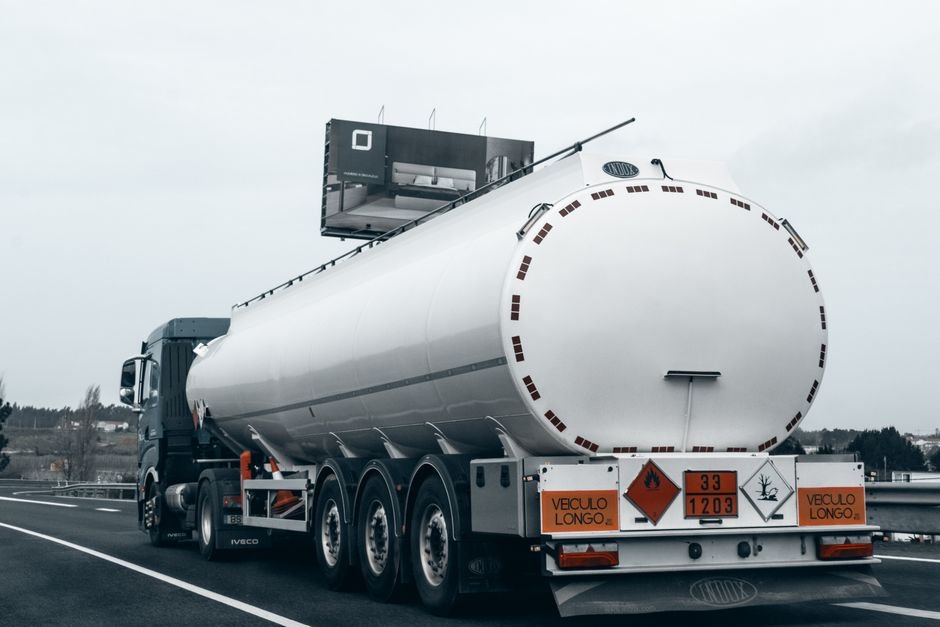
EIA points to reduced global refining, higher international distillate prices and low U.S. distillate stocks. In its press release, EIA said East Coast distillate inventories were 32% below the five-year seasonal average in September and are forecast to stay 20% to 30% below average through the winter. Natural gas is the opposite story: EIA says relatively high gas inventories entering the season provide a cushion.
It Also Depends on Where You Live
EIA breaks out natural gas, electricity and propane by region. The picture is not the same everywhere.
| Region | Natural gas | Electricity | Propane |
|---|---|---|---|
| Northeast | $879 (-14%) | $1,637 (-3%) | $1,687 (-15%) |
| Midwest | $613 (-10%) | $1,380 (+3%) | $1,305 (-4%) |
| South | $511 (-15%) | $1,079 (+3%) | $1,164 (0%) |
| West | $590 (+7%) | $1,151 (+9%) | Not reported |
The West stands out. EIA expects it to be much colder than last winter, with heating degree days up 25%, after an unusually warm prior winter. That is why gas and electricity costs rise there even as they fall elsewhere. The Northeast is forecast to be about 12% warmer than last winter, which cushions the cost of oil there. EIA also notes that a strong El Niño pattern could push temperatures well away from its forecast.
Do the Math for Your Own Home
EIA’s averages come from typical usage. You can sanity check your own situation with a simple calculation: gallons or units used, times the price. The examples below use EIA’s own national consumption and price assumptions. They are not predictions for your house.
| Fuel | Assumed winter use | Price | Estimated cost |
|---|---|---|---|
| Heating oil | 402 gallons | $5.26 | about $2,114 |
| Propane | 494 gallons | $2.52 | about $1,245 |
| Electricity | 6,562 kWh | $0.1823 | about $1,196 |
| Natural gas | 48 thousand cubic feet | $13.44 | about $645 |
These land within a few dollars of EIA’s published averages, which is a useful check that the numbers hold together. To use the method yourself, find last winter’s gallons or kWh on your delivery tickets or utility statements, then multiply by the price you are quoted this year.
A heating oil timing example
EIA’s forecast has heating oil prices easing through the winter, from $5.79 per gallon in November to $4.84 in March. If that path held, 100 gallons delivered in November would cost $579 and the same 100 gallons in March would cost $484, a gap of $95. That is a forecast, not a promise, and a tank that runs empty in January does not wait for March. EIA also states that its estimates assume households pay the prevailing retail price when they use the fuel, so they do not account for prepurchased or locked-in fuel. If a dealer offers a price-lock or prebuy contract, compare it to the forecast path before you sign.
Which Situation Are You In?
- You heat with oil: This is the group facing the largest increase. Estimate your gallons from last winter’s tickets, ask dealers for current prices, and ask what happens to a locked price if the market falls.
- You heat with propane: EIA expects a small drop nationally, with the Northeast forecast down 15%. Prices and savings vary by region, from $2.04 per gallon in the Midwest to $3.28 in the Northeast.
- You heat with natural gas: EIA expects the lowest costs of any fuel, down 9% nationally. EIA notes that utility prices lag wholesale changes because of regulation, so the full drop may arrive slowly.
- You heat with electricity: Expect a modest rise, with the largest forecast increase in the West at 9%. Residential electricity is forecast at 18.23 cents per kWh nationally, and 26.19 cents in the Northeast.
- You are on a tight fixed income: Read our guide to the Low Income Home Energy Assistance Program and check our overview of the Weatherization Assistance Program before your tank or bill runs low.

A Timeline for the Winter
| When | What to do |
|---|---|
| Now through October | Pull last winter’s delivery tickets or bills. Estimate your usage. Get dealer quotes if you use oil or propane. |
| November 10 | EIA’s next Short-Term Energy Outlook is scheduled. Check whether the forecast changed. |
| November through March | EIA’s forecast covers these five months. Its propane and heating oil price updates are published weekly from October through March. |
| Cold snaps | Check your tank level before a forecast cold spell, not after it begins. |
| March | Compare your actual spending with this forecast and note it for next year. |
Cheap Ways to Lower What You Use
Price is only half the equation. A gallon you never burn costs nothing. Our post on the Energy Department’s 8-hour thermostat rule covers one low-cost habit. Beyond that, the idea is simple: reduce how much heat you need, whichever fuel you buy. Sealing drafts and keeping the thermostat lower while you are asleep or out both cut usage. Note that EIA’s expenditure figures should not be read as predicting savings from switching fuels, so do not tear out a system based on this outlook alone.
Common Mistakes
- Treating the national average as your bill. The figures are broad guides, not household forecasts.
- Waiting for the tank to run low before calling a dealer, which leaves no room to compare prices.
- Assuming every fuel is going up. Gas and propane users are expected to pay less.
- Locking in a price without asking what happens if prices fall.
- Forgetting that a colder-than-forecast winter raises usage no matter what the price does.
- Ignoring assistance programs until after a shutoff notice arrives.
FAQ
Is the 21% increase a price increase or a bill increase?
EIA lists a 21% rise in average household heating oil expenditures, from lower use and higher prices together. The per-gallon price is forecast up 34%, to $5.26, while consumption is forecast down 9% on milder Northeast weather. EIA’s press release describes the price rise as more than 30%.
Will my bill match EIA’s average?
Probably not exactly. EIA says its figures are a broad guide for comparing winters. Home size, insulation, region and temperature all change your result. Consumption estimates come from the 2020 Residential Energy Consumption Survey.
How many homes heat with oil?
EIA’s table shows about 4.13 million U.S. households use heating oil as their primary fuel, about 3% of homes. Natural gas serves about 60.96 million, electricity about 57.88 million and propane about 6.36 million.
Could the forecast change?
Yes. EIA updates its outlook monthly, and the next release is November 10, 2026. A strong El Niño could also shift temperatures, so treat the numbers as a planning tool.
Bottom Line
The forecast splits the country: oil and electricity bills are expected to rise, while gas and propane bills are expected to fall. Estimate your own usage now, compare dealer prices early and check EIA’s page below for updates through the winter.