
If you get a health Flexible Spending Account (FSA) through work, the money you set aside is yours to spend, but only for a limited time. Under IRS rules, FSAs are generally "use-it-or-lose-it" accounts. For most workers with a calendar plan year, the clock runs out on December 31. This guide covers how to find out, in a few minutes, whether you have extra time and what you can still spend the balance on.

The One Rule That Decides Whether You Lose the Money
According to IRS Publication 969, amounts left in an FSA at the end of the plan year generally can’t be carried over. There are two exceptions, and an employer can offer one of them, not both:
- A grace period of up to 2½ months after the plan year ends. Expenses you incur during that window can be paid from last year’s leftover balance.
- A carryover of unused money into the next plan year, up to a dollar cap set by the IRS.
Your employer chooses whether to offer either one. Some plans offer neither, so the plan documents (or your benefits portal) are the only place to get a definite answer.
The 2026 Numbers
In Revenue Procedure 2025-32, the IRS set the 2026 limit on employee salary reductions to a health FSA at $3,400. If your plan allows a carryover, the maximum amount that can move from the 2026 plan year into 2027 is $680. Employers are allowed to set lower limits, so your plan may allow less.
A Worked Example: What Happens to $750 Left Over
Say you elected $2,400 for 2026 and have filed claims for $1,650 by December 31. That leaves $750. Here is what happens under each type of plan:
| Your plan type | What happens to the $750 | What you can still do |
|---|---|---|
| Carryover (max $680) | $680 rolls into 2027; $70 is forfeited | Spend about $70 before December 31 to keep every dollar working |
| Grace period (2½ months) | All $750 stays available until the grace period ends, about mid-March 2027 on a calendar plan year | Schedule appointments or buy eligible items in January through mid-March |
| Neither | The full $750 is forfeited after the plan’s deadline | Spend it before December 31 on eligible items |
This is only an illustration. Your own balance, plan year and rules will differ.
Where to Look for Your Deadline
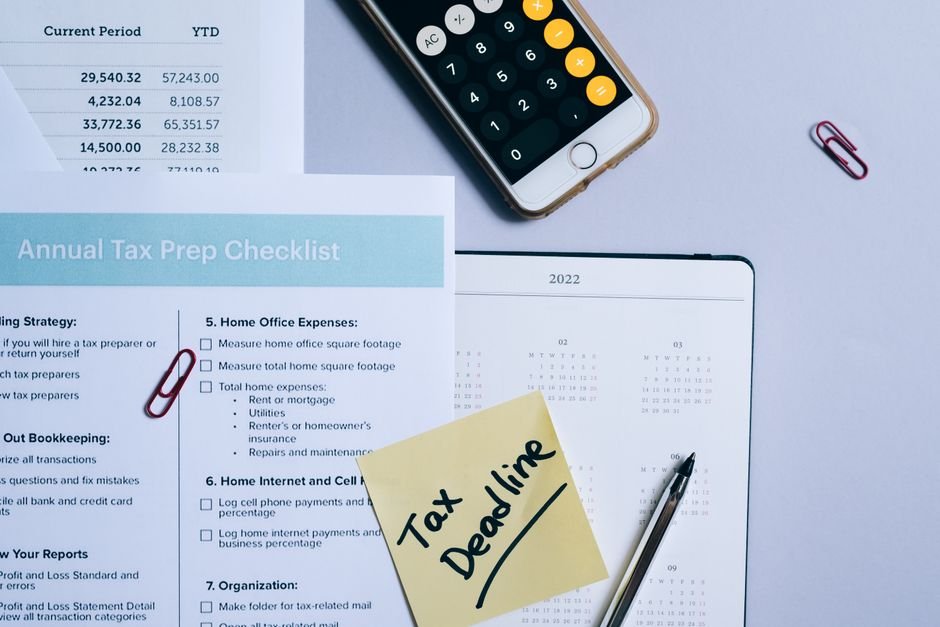
- Your plan year. Many plans follow the calendar year, but yours may run on a different schedule.
- Grace period or carryover. Look in your Summary Plan Description or benefits portal.
- The claims run-out period. This is a separate window, set by the plan, for submitting receipts for expenses you already incurred. Missing it can cost you money you already spent.
- Your current balance. Your FSA administrator’s app or website shows what remains.
What Can You Spend It On?
A health FSA reimburses qualified medical expenses you or your family incur during the coverage period. Common examples include copays and deductibles, dental work, eyeglasses and contact lenses, and many over-the-counter items. Your plan’s eligible-expense list is the final word, so check it before buying. A health FSA generally can’t be used to pay insurance premiums.
Quick Checklist Before December 31
- If you have a carryover plan: spend any amount above $680 (or your employer’s lower cap).
- If you have a grace period: note the end date and book appointments inside it.
- If you have neither: use the full balance on eligible items now.
- In every case: submit receipts before the run-out deadline.
A Timeline for a Calendar-Year Plan
The dates below assume a plan year that runs January 1 through December 31. Your plan may use different dates, so treat this as a template and swap in your own.
| Date | What happens | What to do |
|---|---|---|
| Now through December 31, 2026 | Last day to incur expenses on a plan with no grace period or carryover | Book appointments, refill prescriptions, buy eligible items |
| January 1, 2027 | A carryover plan moves up to $680 of unused money into the new year | Check that your new balance shows the carried-over amount |
| About March 15, 2027 | A grace-period plan stops allowing 2026 money to pay new expenses (2½ months after December 31) | Make sure appointments fall on or before this date |
| Plan-set run-out date (varies) | Deadline to submit receipts for expenses already incurred | File claims early; late claims can be denied even for valid expenses |
The run-out date is the one that catches people. Your plan sets it, so there is no single date that applies to everyone. Look for it in your Summary Plan Description.
Which Situation Are You In?
- You have a balance under $680 and a carryover plan: you can usually let it roll over and do nothing. Confirm your employer did not set a lower cap.
- You have a balance well above $680 and a carryover plan: anything above the cap is forfeited, so spend the difference by December 31.
- You have a grace period: you have until about mid-March, but you still need an actual expense inside that window. Waiting only helps if you have something real to buy or schedule.
- You are not sure which plan you have: assume the strictest case (neither option) and spend down by December 31 until you confirm otherwise.
- You also have, or plan to open, a Health Savings Account (HSA): a general-purpose health FSA can affect HSA eligibility. IRS Publication 969 allows a grace period with an HSA only if the prior-year FSA balance is zero, so ask your plan administrator before relying on either.
Common Mistakes
- Assuming the $680 is automatic. It is a ceiling set by the IRS, not a promise from your employer.
- Buying something on December 30 and filing late. The expense counts for the 2026 plan year, but the claim still has to reach the administrator before the run-out date.
- Paying with an FSA card for ineligible items. The administrator can ask for receipts and require you to repay or offset the amount.
- Forgetting about 2027 elections. As of this writing the IRS has not yet published the official 2027 limits, so wait for the official number during open enrollment rather than relying on early projections.
The carryover is also separate from the new year’s election, so a $680 carryover does not reduce how much you can elect for 2027.
Frequently Asked Questions
Can I get the leftover money paid to me in cash?
No. IRS guidance says an employer can’t refund any part of an FSA balance to you.
Can I have both a grace period and a carryover?
No. A plan may provide one or the other, not both.
Is the $680 carryover guaranteed?
No. It is the IRS maximum for plans that allow a carryover. Your employer can choose a lower amount or none.