
Grocery prices keep climbing, but a Social Security check or pension doesn’t stretch to match. If you’re an older adult living on a fixed income, meal prepping and batch cooking are two of the most practical ways to cut your food budget without giving up nutritious, home-cooked meals. Here are 8 tips — grounded in guidance from the National Council on Aging (NCOA) — for planning, cooking, and freezing meals that actually last.
1. Why Meal Prep Matters More on a Fixed Income
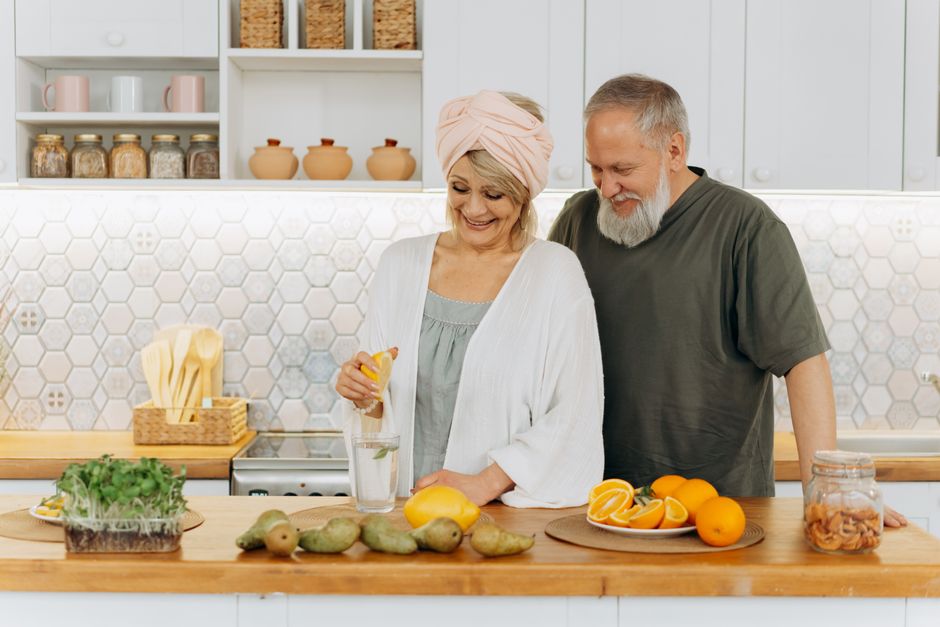
When grocery prices rise but a monthly check stays the same, every meal has to work harder for its cost. Cooking in bulk and portioning meals ahead of time typically costs less per serving than cooking a little bit every day — and far less than relying on takeout or pre-packaged meals. Batch cooking also cuts down on food waste, since ingredients get used up fully instead of spoiling in the back of the fridge.
2. Start With a Weekly or Biweekly Meal Plan
You don’t need to build a meal plan from scratch. Free templates from resources like USDA MyPlate, the DASH diet, or Oldways can give you a starting structure for balanced, budget-friendly meals. From there:
- Plan meals around what’s currently on sale at your grocery store
- Check your pantry and freezer first, and build meals around what you already have
- Aim for a plan that covers 5 to 7 days, then repeat or rotate it every other week
3. Stock a Budget-Friendly “Base Pantry”
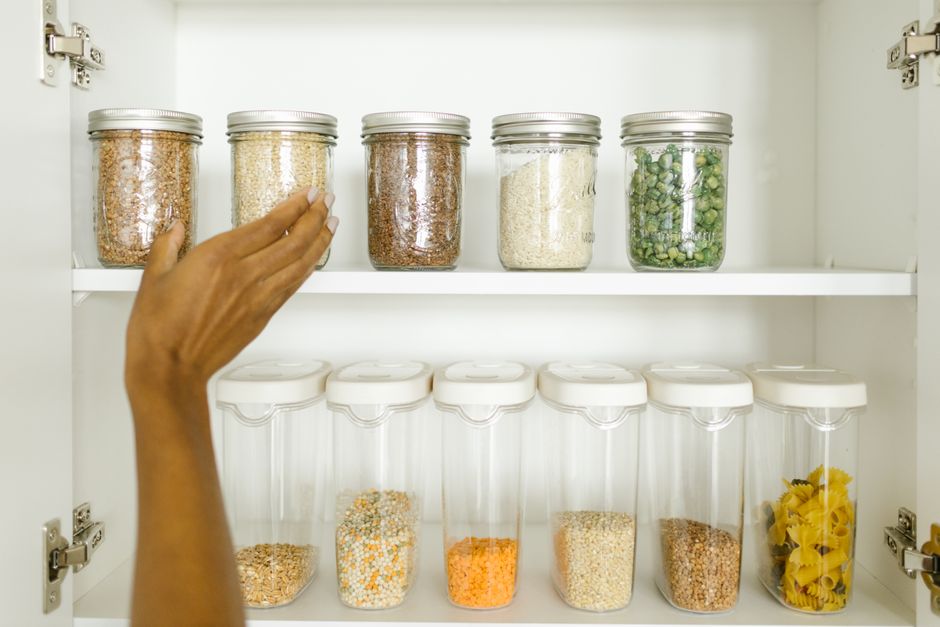
A well-stocked pantry means fewer last-minute grocery runs (and less temptation to order takeout). Good staples to keep on hand include:
- Canned beans and legumes
- Frozen vegetables
- Whole grains like brown rice, oats, or whole wheat pasta
- Low-sodium broths and stocks
These are flexible building blocks — they work in soups, stir-fries, grain bowls, and casseroles, so a small pantry list can stretch into many different meals.
4. Batch Cooking and Freezing Basics
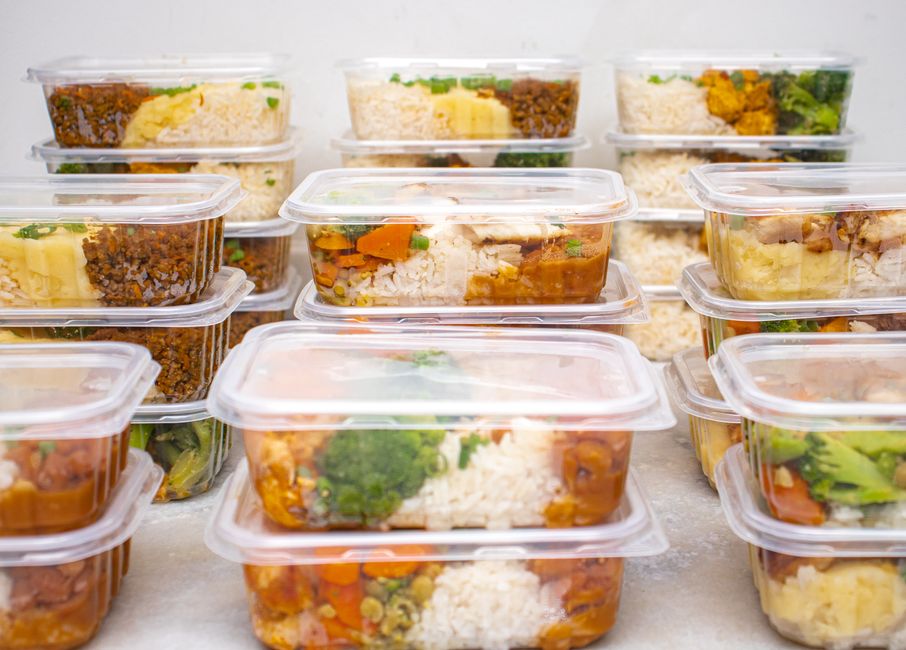
Once or twice a week, cook proteins and grains in bulk, then portion them into single servings for the days ahead. A few habits make this easier to stick with:
- Label and date every freezer portion so nothing gets forgotten
- Rotate your freezer stock, using the oldest portions first
- Use freezer-safe containers or bags that stack well to save space
You don’t need fancy equipment. A slow cooker, a sheet pan, and a set of freezer-safe containers cover most batch cooking needs.
5. Nutrition Considerations for Older Adults
Meal prepping isn’t just about saving money — it’s also a chance to build nutrient-dense meals in advance. Prioritize foods like legumes, berries, and leafy greens, which are generally considered anti-inflammatory and nutrient-rich. If you have a condition like diabetes or kidney disease, talk to a doctor or registered dietitian before making major changes to your diet, since some common meal-prep staples (like certain canned goods or whole grains) may need adjusting for your specific needs.
6. Where to Get Help Paying for Groceries
If grocery costs are still tight even with meal prepping, it’s worth checking what assistance you may already qualify for. NCOA’s BenefitsCheckup.org lets you check eligibility for SNAP and other benefit programs in one place. If cooking every meal yourself isn’t realistic some weeks, local senior meal delivery programs — such as Meals on Wheels or your area’s Home-Delivered Nutrition Program — can be a helpful supplement rather than an all-or-nothing choice.
FAQ
How long can I safely freeze prepped meals?
Most cooked meals stay safe and taste their best in the freezer for about 2 to 3 months. Labeling containers with the date you froze them makes it easy to rotate through your stock and use the oldest portions first.
Is meal prepping cheaper than a meal delivery service?
Generally, yes — batch cooking with pantry staples and sale-priced ingredients tends to cost less per meal than pre-made delivery services, though delivery can still be a useful option on weeks when cooking isn’t realistic.
What if I’m cooking for one?
Cooking in bulk and freezing individual portions is often the easiest way to eat well without daily cooking. Look for recipes that scale down easily, and don’t be afraid to freeze extra portions from a larger recipe rather than cooking smaller batches every time.
This article is for general informational purposes and is not medical or dietary advice. If you have a health condition that affects your diet, consult a doctor or registered dietitian before making significant changes to your meal plan.