
If you’ve ever tried to book a routine cleaning with Original Medicare and gotten a bill for the full amount, you’re not alone. Millions of seniors are surprised to learn that Medicare Parts A and B simply don’t pay for the dental care most of us need as we age — and dental work isn’t cheap. The good news is there are real, practical ways to close that gap. Here are 8 things to know about dental care for seniors on Medicare in 2026.
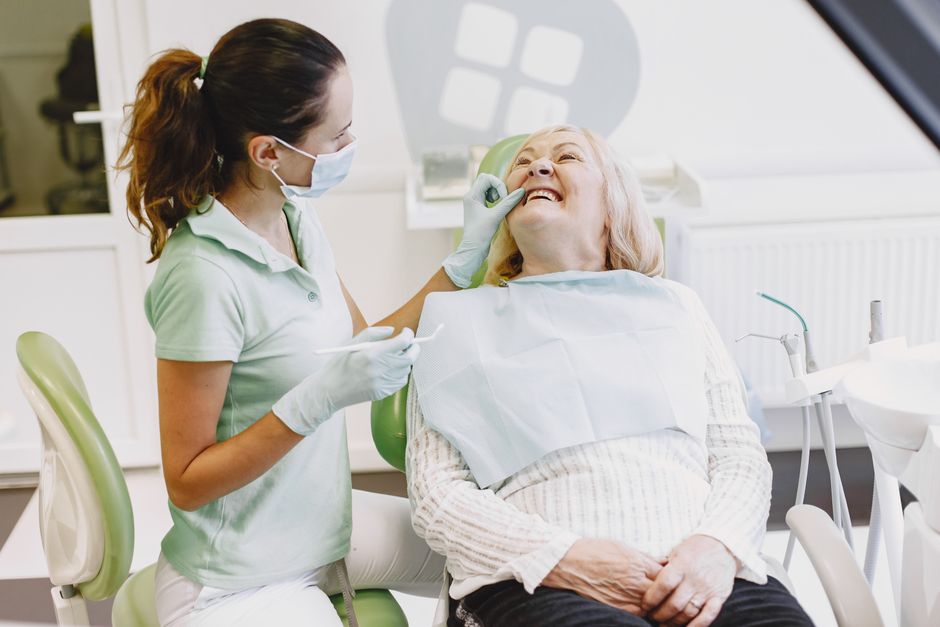
Why Doesn’t Medicare Cover Dental Care?
Original Medicare (Parts A and B) was designed decades ago around hospital and medical insurance, not routine preventive care like teeth cleanings, fillings, dentures, or extractions. By default, none of these everyday dental services are covered.
There’s one narrow exception: Medicare Part A may cover dental care when it’s tied directly to a covered medical procedure — for example, jaw reconstruction after an accident, or an oral exam required before a heart valve replacement or organ transplant.
Medicare.gov adds that Part B can pay for dental work tied to certain medical treatment, such as treating a mouth infection before chemotherapy. If your doctor says dental work has to happen first, ask the provider to bill Medicare and confirm in advance that it counts as part of the covered treatment.
This gap matters financially. According to the National Council on Aging (NCOA), seniors without dental coverage routinely face hundreds to thousands of dollars in out-of-pocket costs for dentures, implants, or major restorative work — expenses that add up fast on a fixed retirement income.
Option 1 — Medicare Advantage Plans with Dental Benefits
Many Medicare Advantage (Part C) plans bundle preventive dental benefits, and some go further to cover major work like crowns, root canals, or dentures.
Before you enroll in a plan for the dental benefit alone, check:
- The plan’s annual dental maximum (many cap out between $1,000 and $2,000 per year)
- Whether your preferred dentist is in the plan’s network
- Waiting periods before major dental work is covered
You can switch Medicare Advantage plans, or move between Original Medicare and Medicare Advantage, during the annual Medicare Open Enrollment period, October 15 through December 7 each year. If you’re already in a Medicare Advantage plan and it disappoints you on dental, there is a second window: between January 1 and March 31 you can make one change, either to another Medicare Advantage plan or back to Original Medicare.
Option 2 — Standalone Dental Insurance or Discount Plans
If you’d rather stay on Original Medicare, you can buy dental coverage separately. There are two very different products here:
- Dental insurance — you pay a monthly premium, and the plan covers a percentage of costs after any deductible, similar to medical insurance.
- Dental discount (savings) plans — you pay an annual membership fee for a flat discount (often 10-60%) at participating dentists, with no waiting period and no claims process.
Before signing up for either, ask about waiting periods for major services, annual coverage caps, and whether pre-existing dental issues are excluded.

Option 3 — Free and Reduced-Cost Clinics
If premiums aren’t in the budget right now, several no-cost and low-cost options exist:
- Federally Qualified Health Centers (FQHCs) offer dental care on a sliding fee scale based on income — some patients pay very little or nothing.
- Dental school clinics let students provide care under the direct supervision of licensed faculty, often at a noticeable discount compared with private practice, though appointments tend to run longer.
- Nonprofit charity programs, such as Dental Lifeline Network’s Donated Dental Services, connect qualifying seniors with volunteer dentists who provide free treatment. It is aimed at major work rather than routine cleanings, and waitlists can run a year or more in some counties.
Option 4 — State and Local Assistance
Seniors who are “dually eligible” for both Medicare and Medicaid may have access to adult dental benefits through their state’s Medicaid program — coverage varies widely by state, so it’s worth checking your state Medicaid office directly.
Your local Area Agency on Aging is another underused resource. Many maintain lists of low-cost dental referrals, community clinics, and assistance programs specific to your area.
The Options Side by Side
| Option | Best for | Main catch |
|---|---|---|
| Medicare Advantage plan with dental | People already choosing a health plan this fall | Annual dollar cap, network limits, and prior authorization for some extra benefits |
| Standalone dental insurance | Staying on Original Medicare and wanting regular coverage | Monthly premium, waiting periods, annual maximums |
| Dental discount plan | Quick savings without waiting periods | It is a discount, not insurance, and works only at participating dentists |
| Community health center | Low-income patients needing exams, cleanings and fillings | Discounts depend on income, and dentures may be priced separately |
| Dental school clinic | Flexible schedules and lower prices | Longer appointments, since students work under supervision |
| Donated Dental Services | Seniors 65 and older, people with a permanent disability or medically fragile patients who can’t pay for major work | Waitlists, no routine care, and you can use it only once |
Which Option Fits Your Situation?
- If you’re picking a plan before December 7: check each 2027 plan’s annual dental cap, dentist network and whether preventive visits need prior authorization. Your dentist’s office can tell you which plans it accepts.
- If you only need cleanings, exams or a filling and your income is limited: start with a community health center. Call and ask whether they run a sliding fee scale for dental.
- If you need dentures or major work and can’t pay anything: apply to Donated Dental Services, but expect a wait. The program asks that you first use other options, such as clinics or dental schools, and any dental insurance, including Medicaid.
- If you also have Medicaid: check your state’s adult dental benefit before paying out of pocket.
- If dental work is needed before heart surgery, a transplant or chemotherapy: ask your doctor about Medicare coverage before you book anything.
How a health center’s sliding scale works
Health centers funded by the federal Health Resources and Services Administration (HRSA) set discounts using only your income and family size. Here is where the 2026 lines fall:
| Household size | 100% of poverty guideline | 200% of poverty guideline |
|---|---|---|
| 1 person | $15,960 | $31,920 |
| 2 people | $21,640 | $43,280 |
At or below 100%, patients get a full discount or pay a nominal charge. Between 100% and 200%, the discount shrinks as income rises. Above 200%, the program doesn’t require a discount, although a center may offer one anyway. HRSA’s own illustration: for a person at 150% of poverty, an $80 service is discounted 50% and costs $40. For a single person in 2026, 150% of poverty is about $23,940.
Budgeting Tips for Dental Costs in Retirement
A few practical habits can make dental costs far more manageable:
- Set aside a dedicated “dental fund” each month, or use a Health Savings Account (HSA) if you’re still eligible to contribute.
- Time bigger procedures around your Medicare Advantage or dental plan’s renewal, so you can maximize a fresh annual benefit maximum.
- Prioritize preventive care — regular cleanings and checkups remain the cheapest way to avoid expensive emergency work down the road.

FAQ
Does Medicaid cover dentures?
It depends on your state. Some state Medicaid programs cover dentures and other major dental work for eligible low-income adults, while others offer only emergency dental coverage. Check with your state Medicaid office for specifics.
Can I get emergency dental care covered by Medicare?
Original Medicare generally won’t cover emergency dental treatment unless it’s directly connected to a covered medical procedure, such as an infection requiring hospitalization. Some Medicare Advantage plans do include emergency dental benefits — check your specific plan.
What’s the cheapest way to get dentures as a senior?
Dental school clinics and community health centers are the usual places to start, but prices vary. HRSA says dentures and similar supplies at health centers aren’t covered by its sliding-fee requirements, so ask for the price up front. Dually eligible seniors should also check whether their state Medicaid program covers dentures before paying out of pocket.
Related: Medicare’s Annual Enrollment Period Closes December 7 — Don’t Skip Your ANOC Letter and Get Free Medicare Plan Help From a SHIP Counselor Before Open Enrollment Ends December 7
This article is for general informational purposes and is not medical or financial advice. Coverage details vary by plan and state — always confirm current information with Medicare.gov, your state Medicaid office, or NCOA.org before making decisions.