
The new OBBBA senior bonus deduction lets taxpayers 65+ deduct an extra $6,000 ($12,000 married) through 2028 — here’s who qualifies, the income phase-out, and how to claim it on Schedule 1-A.
If you’re 65 or older — or you’re helping a parent file their taxes — there’s a new deduction you need to know about for your 2025 return, filed in 2026.
It’s called the senior bonus deduction, and it can shelter an extra $6,000 (or $12,000 for a married couple) of income, on top of deductions you’re already taking.
Here are the 7 key facts you need to know: what it is, who qualifies, how the income phase-out works, and exactly which IRS form to use.

1. What Is the New Senior Bonus Deduction
This deduction was created by the “One, Big, Beautiful Bill” (OBBBA), also referred to as the Working Families Tax Cuts legislation.
A few basics to keep in mind:
- It’s temporary — available for tax years 2025 through 2028 only, a four-year window.
- It stacks on top of your regular standard deduction.
- It also stacks on top of the existing additional standard deduction that filers age 65+ already receive.
In other words, this isn’t a replacement for anything you’re already claiming. It’s an extra layer on top.
2. Who Qualifies
Eligibility is fairly straightforward, but every box needs to be checked:
- You must be age 65 on or before the last day of the tax year (December 31, 2025 for your 2025 return).
- The deduction is $6,000 per eligible individual.
- If you’re married filing jointly and both spouses qualify, you can claim $12,000 combined.
- You need a valid Social Security number and must file a tax return to claim it.
If only one spouse is 65+ on a joint return, only that spouse’s $6,000 applies — not the full $12,000.
3. Income Phase-Out Rules
Like many tax benefits, this deduction isn’t unlimited for higher earners.
- The deduction begins to phase out once your modified AGI exceeds $75,000 (single filers) or $150,000 (married filing jointly).
- The IRS does not use a simple flat percentage cut — the exact reduction is calculated using the Schedule 1-A worksheet and instructions.
Rather than estimating your own phase-out math, use the official worksheet. Rounding errors here can mean an inaccurate refund or a notice from the IRS later.
4. How to Claim It — Schedule 1-A
The IRS created a new form for 2025 returns: Schedule 1-A, “Additional Deductions.”
This single schedule covers several of the OBBBA-era deductions together:
- Tips
- Overtime
- Car loan interest
- The senior bonus deduction
Schedule 1-A attaches to Form 1040, 1040-SR, or 1040-NR, depending on which base form you use.
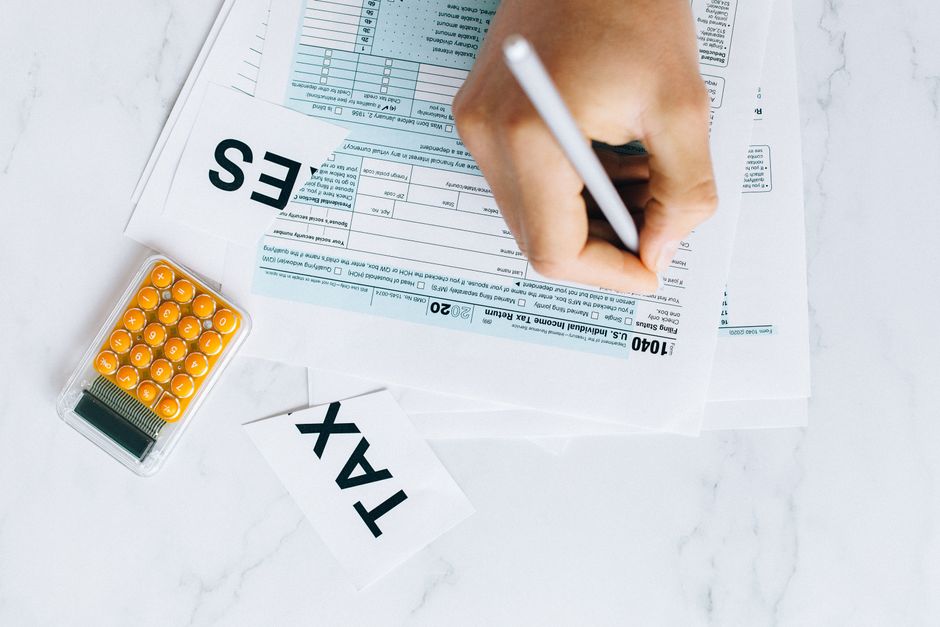
Good news for most filers: if you use tax software, it typically auto-populates Schedule 1-A once you indicate you (or your spouse) are 65 or older. You generally won’t need to hunt down the form yourself.
5. How It Stacks With Other 2026 Deductions
Here’s where the numbers can add up. For a filer age 65+, three deductions can potentially combine:
- The regular 2026 standard deduction (amount varies by filing status — single vs. married)
- The existing additional standard deduction for age 65+ (already in place before OBBBA)
- The new $6,000 / $12,000 senior bonus deduction
Illustrative example only: a single filer aged 65+ could potentially shelter a combined total in the tens of thousands of dollars once all three layers are added together, and a married couple where both spouses are 65+ could shelter even more. These are estimates — always confirm your specific combined total using the current-year IRS standard deduction figures and the Schedule 1-A instructions, since exact numbers are adjusted annually and depend on filing status.
6. Common Mistakes to Avoid
- Don’t assume it replaces your existing age-65+ deduction. It’s additional, not a substitute.
- Don’t skip Schedule 1-A even if your tax software normally handles everything — double-check it was generated.
- Don’t guess your phase-out amount. Use the official worksheet if your income is near the $75,000 / $150,000 thresholds.

7. FAQ
Does this reduce how much of my Social Security benefit is taxed?
No. This is a separate, standalone deduction — it does not directly change the taxability formula for your Social Security benefits. It simply reduces your overall taxable income, which may have an indirect effect, but it’s not the same mechanism as the Social Security taxability calculation.
What if I turn 65 partway through the year?
Eligibility is based on your age as of the last day of the tax year (December 31). If you turn 65 by then, you qualify for that full tax year — even if your birthday was in November or December.
Is this deduction permanent, or does it expire after 2028?
As written under OBBBA, it’s currently scheduled to run through tax year 2028 and then expire, unless Congress acts to extend or make it permanent. Keep an eye on IRS updates in future years for any changes.
Bottom line: if you’re 65+, this is a deduction worth confirming you’re claiming correctly on your 2025 return. Check your eligibility, watch the income phase-out thresholds, and make sure Schedule 1-A is attached to your return. For the full official rules, visit the IRS page linked throughout this article.