
A plug-in space heater feels like a bargain on the first cold night. You pay once, plug it in, and the chilly den is warm in ten minutes. The bill is a different story, because a standard heater is one of the most power-hungry things you can plug into a wall. The U.S. Energy Information Administration puts the national average residential electricity price at 18.16 cents per kilowatt-hour for August 2026 (a preliminary figure). At that price, one 1,500-watt heater running 8 hours a day adds about $65 to a 30-day month. This guide shows the math, the safety rules from a state fire-safety agency, and a few ways to decide whether a heater is worth running in your house.
The One Formula That Tells You What a Heater Costs
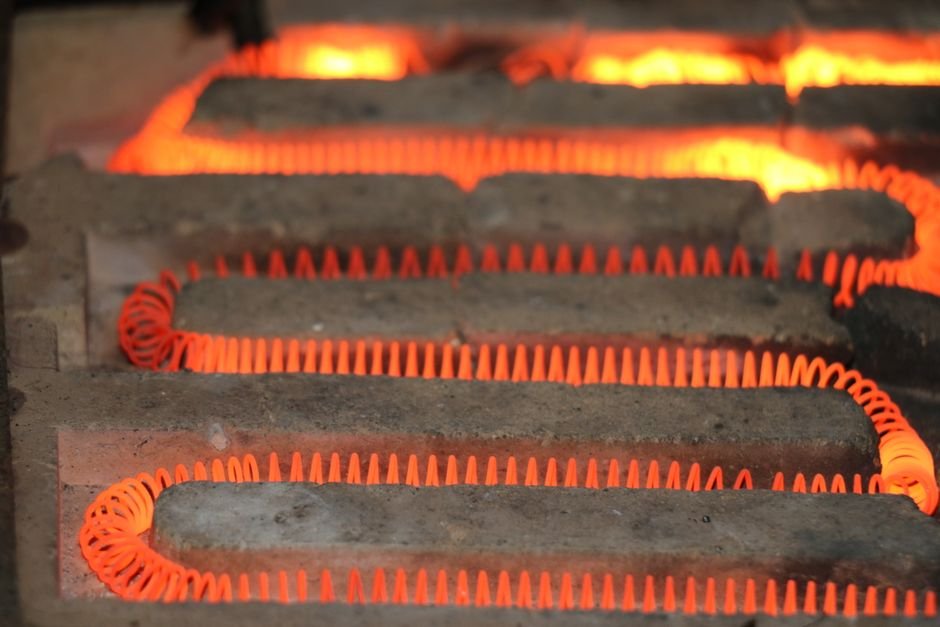
Every electric heater is priced the same way: watts divided by 1,000 gives kilowatts, kilowatts times hours gives kilowatt-hours (kWh), and kWh times your rate gives dollars. Most plug-in heaters list their maximum draw on the label, and 1,500 watts is the common top setting. A standard 120-volt, 15-amp household circuit tops out at 1,800 watts (120 times 15), which is why a single heater can use up most of one circuit.
Here is the worked example for the headline number:
- 1,500 watts is 1.5 kilowatts.
- 1.5 kW running 8 hours is 12 kWh per day.
- 12 kWh at 18.16 cents is about $2.18 per day.
- Over 30 days that is about $65.38.
One more fact helps put this in perspective. A 1,500-watt heater turns that electricity into roughly 5,100 BTU of heat per hour (1,500 times 3.412). Electric resistance heat converts essentially all the power it uses into heat, so there is no hidden efficiency bonus. What you pay for is what you get, hour for hour.
What It Costs at Different Settings and Run Times
The table below uses the 18.16-cent national average from the EIA’s Electric Power Monthly and a 30-day month. These are upper limits. A heater with a thermostat cycles on and off once the room is warm, so real use is usually lower than continuous running.
| Heater setting | Hours per day | kWh per day | Cost per day | Cost per 30 days |
|---|---|---|---|---|
| 750 watts (low) | 4 | 3 | $0.54 | $16.34 |
| 750 watts (low) | 8 | 6 | $1.09 | $32.69 |
| 750 watts (low) | 12 | 9 | $1.63 | $49.03 |
| 1,500 watts (high) | 4 | 6 | $1.09 | $32.69 |
| 1,500 watts (high) | 8 | 12 | $2.18 | $65.38 |
| 1,500 watts (high) | 12 | 18 | $3.27 | $98.06 |
Your own rate matters more than the national average. Electricity prices differ a lot by state and utility, so the next table holds the heater constant (1,500 watts, 8 hours a day, 360 kWh over 30 days) and changes only the rate. Only the 18.16-cent row is the EIA figure; the other rates are examples to show the range, so replace them with the number on your own bill.
| Rate per kWh | Monthly cost for 360 kWh | Note |
|---|---|---|
| 12 cents | $43.20 | Example of a low-cost area |
| 18.16 cents | $65.38 | EIA national residential average, August 2026 (preliminary) |
| 25 cents | $90.00 | Example of a higher-cost area |
| 30 cents | $108.00 | Example of a high-cost area |

Find Your Real Rate in Two Minutes
Look at the most recent electric bill and find the total charge and the total kWh used. Divide the charge by the kWh. That number includes delivery fees and taxes, so it is usually higher than the “supply” rate printed in a box on the bill, and it is the one that reflects what an extra kWh really costs you. If your utility has tiered or time-of-use pricing, the heater may run at the more expensive tier or hour, so check when the higher rates apply.
Which Situation Sounds Like Yours?
- You sit in one room most of the day. A heater in that room, used for a few hours, can make sense if it lets you set the rest of the house a little cooler. Compare the heater’s added cost with what lowering the main thermostat would save.
- You want to heat the whole house with it. This is where costs climb. One heater cannot warm every room, and running several at once multiplies the bill, since each extra 1,500-watt unit adds the same $65 or so in the example above.
- You are heating a bedroom overnight. The fire safety agency below says to turn a space heater off when you go to bed and never leave it running while you sleep. Warm the room first, then turn it off and use blankets instead.
- Your house is already warm enough with the main heat on. A heater that runs next to a working furnace is just a second bill. Skip it.
- You rent or share a building with included heat. Ask whether heat is part of the rent before you add your own electric usage.
Safety Rules From a State Fire Agency
A cheap heater is not cheap if it starts a fire. The Massachusetts Department of Fire Services publishes a short list that applies in any state. It says space heaters “can also cause deadly fires” and recommends the following:
- Keep space heaters 3 feet away from drapes, furniture or other things that can burn.
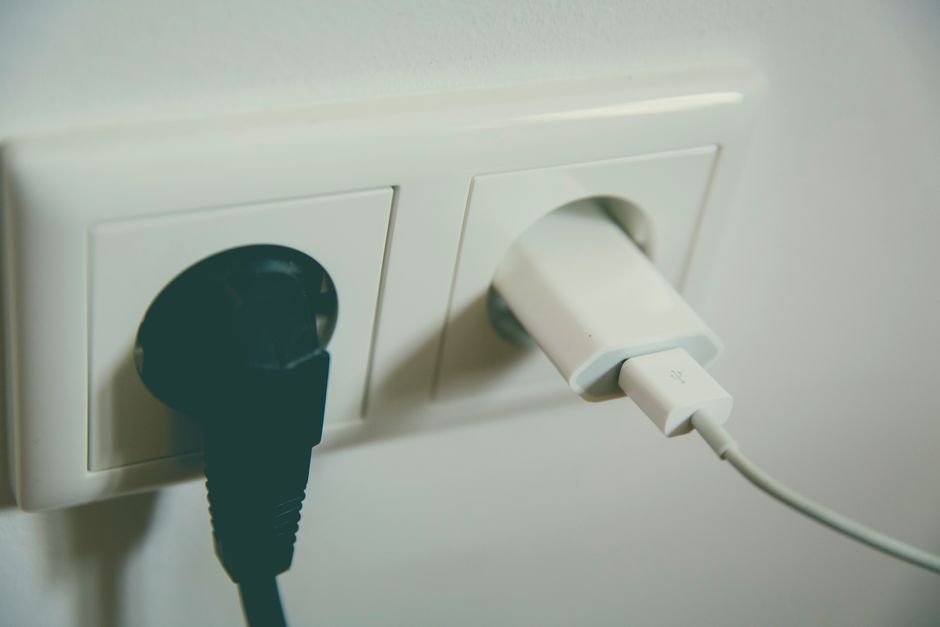
- Plug space heaters directly into wall outlets. Do not use an extension cord, even a heavy-duty one with a power rating at least as high as the heater’s.
- Turn the heater off when you leave the room or go to bed. Never leave it unattended or running while you sleep.
- Put heaters on a level surface away from places where someone might bump into them and knock them over. Supervise children and pets nearby.
- Buy heaters that are tested and labeled by a nationally recognized testing company, such as Underwriters Laboratories (UL).
- Keep electric heaters away from water. Never use them near a sink or in the bathroom.
The same page notes that unvented kerosene heaters are illegal to sell or use in Massachusetts. Rules on fuel-burning heaters vary by state and province, so check yours locally before buying one.
A Simple Timeline for the Winter
| When | What to do |
|---|---|
| Before the first cold snap | Check the heater for a damaged cord or plug, look for a UL or similar testing label, and clear 3 feet of space around where it will sit. |
| This week | Divide your last bill’s total by its kWh to find your real rate, then use the formula to price the heater at that rate. |
| Every time you use it | Plug it straight into the wall, set it on a level floor, and turn it off when you leave the room. |
| Each bedtime | Switch it off before you sleep. Do not leave it running overnight. |
| End of the first month | Compare the new bill with last year’s same month on your utility account. If the jump is larger than the table predicted, cut the hours. |
Common Mistakes
- Running the heater on high in a large, open room that it cannot warm, so it never reaches the thermostat setting and never cycles off.
- Using an extension cord or a power strip because the outlet is across the room.
- Putting the heater on a rug or thick carpet where it can tip, or next to curtains and bedding.
- Judging the cost by the heater’s price instead of by watts, hours and your rate.
- Assuming a “low” setting is free. At 750 watts for 12 hours a day, the example above is still about $49 a month.
- Forgetting the heater in the bathroom or kitchen, where water is a hazard.
Frequently Asked Questions
How much does a space heater cost to run per hour?
Multiply its kilowatts by your rate. At the 18.16-cent national average, a 1,500-watt heater costs about 27 cents an hour (1.5 times 0.1816), and a 750-watt setting costs about 14 cents.
Is the EIA price the same as my rate?
Not exactly. It is a national average for residential customers, and the August 2026 value is preliminary. Your utility’s rate can be higher or lower, so use your own bill.
Does a heater with a thermostat cost less?
It can, because it shuts off once the room reaches the temperature you set. The tables above assume continuous running, so they show a ceiling, not a guarantee.
Can I plug a heater into a surge protector?
The fire safety guidance above says to plug heaters directly into a wall outlet and not to use extension cords. A power strip is a similar risk, so follow the same rule.
Is a space heater cheaper than my central heating?
It depends on your fuel type, your rates and how many rooms you heat. This article does not compare fuels because that depends on local prices. The reliable way to decide is to price the heater with the formula and compare it with the savings from lowering your main thermostat.
The takeaway is short: a space heater costs about 27 cents an hour on high at the national average rate, so the hours you leave it on decide the bill. Price it with your own rate, keep it 3 feet from anything that burns, plug it into the wall, and turn it off when you leave the room or go to bed.