
If you or a family member is 65 or older — or eligible for the Disability Tax Credit — and you’ve been putting off renovations like grab bars, a walk-in tub, or a wheelchair ramp because of the cost, there’s a federal tax credit that can help cover part of the bill. It’s called the Home Accessibility Tax Credit (HATC), and a lot of Canadians who qualify simply don’t know it exists.
This guide breaks down exactly who qualifies, which renovations count, how much money you can actually get back, and how to claim it correctly on Line 31285 of your tax return — in 7 clear points.
1. What Is the Home Accessibility Tax Credit (HATC)?
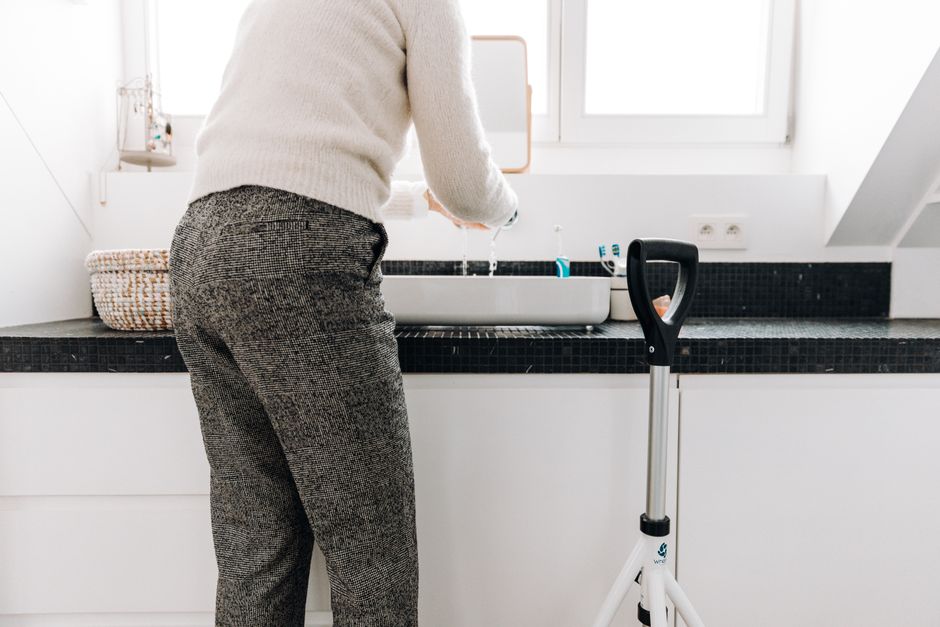
The HATC is a non-refundable federal tax credit designed to help seniors and people with disabilities make their homes safer and more accessible so they can continue living independently — often referred to as “aging in place.”
Here’s the math: you can claim 15% of up to $20,000 in eligible renovation expenses per year, which works out to a maximum credit of about $3,000. It’s claimed on Line 31285 of your federal income tax return.
Because it’s non-refundable, the HATC reduces the tax you owe rather than putting cash directly in your pocket — but it can still meaningfully lower your tax bill in the year you complete the renovation.
2. Who Qualifies as a “Qualifying Individual”?
Not everyone can claim the HATC. The credit is built around two categories of people:
- Qualifying individuals — seniors who are 65 years of age or older by the end of the tax year, or individuals who are eligible for the Disability Tax Credit (DTC) at any time during the year.
- Eligible individuals — people who can claim the credit on behalf of a qualifying individual, such as a spouse or common-law partner, parent, grandparent, child, grandchild, sibling, or another close relative who supports them.
One important detail: the HATC can overlap with the Canada Caregiver Credit and the Medical Expense Tax Credit in certain situations. The same expense generally can’t be claimed twice under different credits in a way that duplicates the benefit, so if you’re already claiming medical expenses for accessibility renovations, it’s worth double-checking with a tax professional or the CRA before you file.
3. Which Renovations Qualify?
The CRA is fairly specific about what counts. Eligible expenses generally need to be for enduring, integral changes to a principal residence — not cosmetic touch-ups or routine maintenance.
Renovations that typically qualify:
- Walk-in bathtubs or showers
- Grab bars and related reinforcements around toilets, tubs, and showers
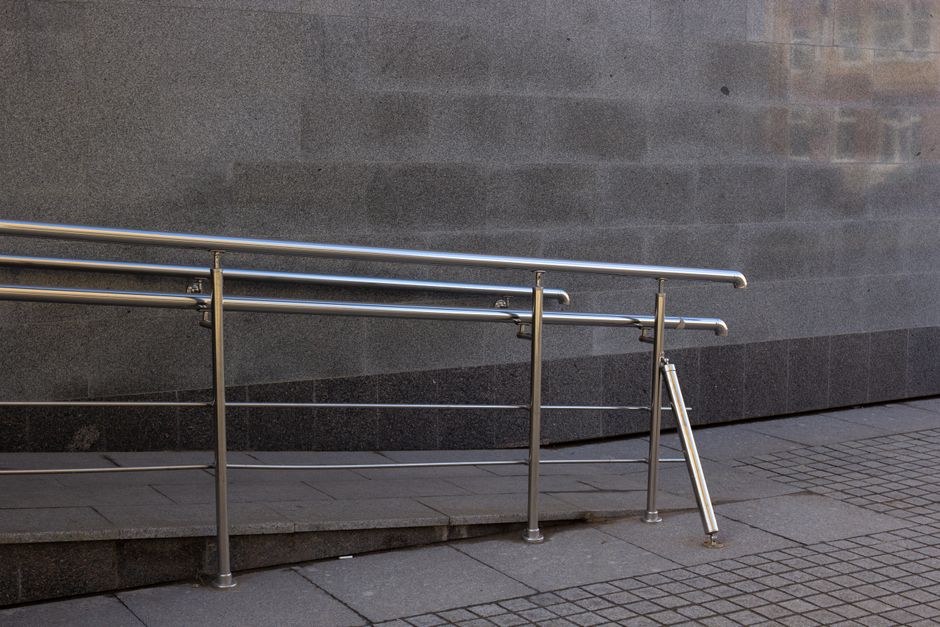
- Wheelchair ramps and lifts
- Stairlifts
- Widened doorways
- Non-slip flooring
- Lowered countertops and cabinets
What does NOT qualify:
- Routine repairs and general maintenance
- Purely aesthetic upgrades (new paint, decorative fixtures, etc.)
- Appliances (even accessible ones)
- Housekeeping, cleaning, or general home care services
Keep every invoice and contract from licensed contractors or professionals. The CRA can request supporting documentation after you file, so don’t rely on memory — a simple folder (physical or digital) of receipts saves a lot of stress later.
4. How Much Can You Actually Get Back?
Let’s put real numbers on it.
Example 1: You spend $10,000 on a bathroom accessibility renovation (walk-in tub, grab bars, non-slip flooring). At 15%, that’s a $1,500 credit off your federal taxes owed.
Example 2 (maximum scenario): You spend $20,000 or more on eligible renovations in a single year. Since the credit caps at $20,000 of expenses, you’d claim the maximum: a $3,000 credit.
There’s also flexibility for families. If multiple eligible individuals support the same qualifying individual, the $20,000 expense limit can be split and shared among them, as long as the combined claims don’t exceed the annual cap. And in some cases, the same renovation expenses can also be considered under the Medical Expense Tax Credit — but be careful with double-dipping rules, since the CRA has specific guidance on what can and can’t be claimed twice. When in doubt, a tax professional can help you maximize both credits correctly.
5. How to Claim the HATC on Your Tax Return
Claiming the HATC isn’t complicated once you know the steps:
- Gather your receipts — invoices and contracts for all eligible renovation work, ideally from licensed contractors.
- Complete the federal worksheet that calculates your eligible expenses (available through your tax software or the CRA’s guides).
- Enter the total on Line 31285 of your federal tax return.
- Keep your documentation for at least six years in case the CRA requests it — this includes invoices, contracts, and proof of payment.
Don’t forget to check your province, too. Some provinces offer their own home renovation or accessibility tax credits that can be claimed in addition to the federal HATC. Rules and amounts vary, so verify what’s available where you live before you file.
6. Common Mistakes to Avoid
A few avoidable errors trip up otherwise-eligible claimants every year:
- Using unlicensed or DIY labor. If you or an unpaid family member does the work yourself, the labor portion generally isn’t eligible — only paid, documented work from qualified contractors typically counts.
- Missing the principal residence requirement. The renovation has to be done on the home where the qualifying individual actually lives, not a secondary property.
- Not confirming DTC eligibility first. If you’re claiming based on disability rather than age, make sure the Disability Tax Credit certificate is approved before you start counting on the HATC — don’t assume eligibility.

7. FAQ
Can renters claim the HATC?
Generally, the credit is designed around principal residences, and eligibility depends on your specific ownership and living situation. Renters should check the CRA’s detailed conditions, as the rules differ from those for homeowners.
Can I claim it every year?
Yes — the HATC isn’t a one-time credit. You can claim eligible renovation expenses in any tax year you incur them, up to the $20,000 annual limit each time.
Does it apply to a cottage or second home?
No. The HATC applies to your principal residence — the home where the qualifying individual ordinarily lives. A cottage or secondary property generally does not qualify.
Final Thoughts
The Home Accessibility Tax Credit is one of those benefits that’s easy to miss simply because people don’t know to look for it. If you’re planning renovations to help a senior parent or a family member with a disability stay safely in their home, it’s worth confirming eligibility and keeping every receipt before work begins — not after.
For the full, up-to-date eligibility rules and worksheets, always check the official CRA page for Line 31285 linked throughout this article.