
Giving up the car keys — or just driving less — doesn’t have to mean losing your independence. Across the country, there’s a whole patchwork of free and low-cost transportation programs built specifically for older adults: discounted transit, curb-to-curb paratransit, on-demand microtransit, Medicaid-covered medical rides, and volunteer drivers who’ll walk you right to your door. Most people have never heard of half of them.
Here are 7 things to know about free senior transportation programs and ride options in 2026 — what they actually cost, who qualifies, and how to find what’s available where you live.
1. Why Cutting Back on Driving Can Save Real Money
Before getting into the programs themselves, it’s worth pausing on the math. According to AAA’s annual “Your Driving Costs” study, owning and operating an average new vehicle runs well over $10,000 a year once you add up insurance, fuel, maintenance, and depreciation. Even a paid-off, older car still carries insurance, gas, repairs, and registration fees every year.
That’s not a small line item in a retirement budget. Trading in daily driving for free or subsidized rides — even for just some of your trips — can free up hundreds of dollars a month. For many retirees, this is as much a budgeting decision as it is a safety one.
2. Discounted Public Transit for Seniors
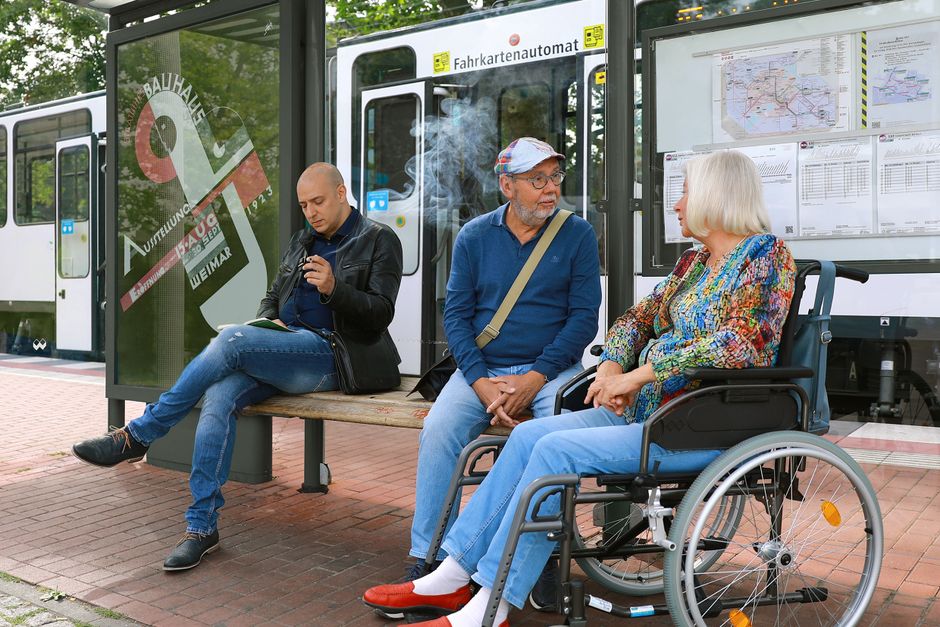
If you live near a bus, train, or trolley line, this is usually the cheapest option on the list. Most transit agencies offer free or reduced fares for older adults and people with disabilities, and many extend that discount to a caregiver riding along. Some agencies also offer mobility or “travel training” sessions to help first-time riders learn routes and schedules.
The trade-offs are real, though: you may need to walk a few blocks to reach a stop, wait outside in bad weather, or deal with an elevator or lift that’s out of service. It works best if you live within easy walking distance of a stop and don’t need door-to-door help.
3. Paratransit (ADA Services)
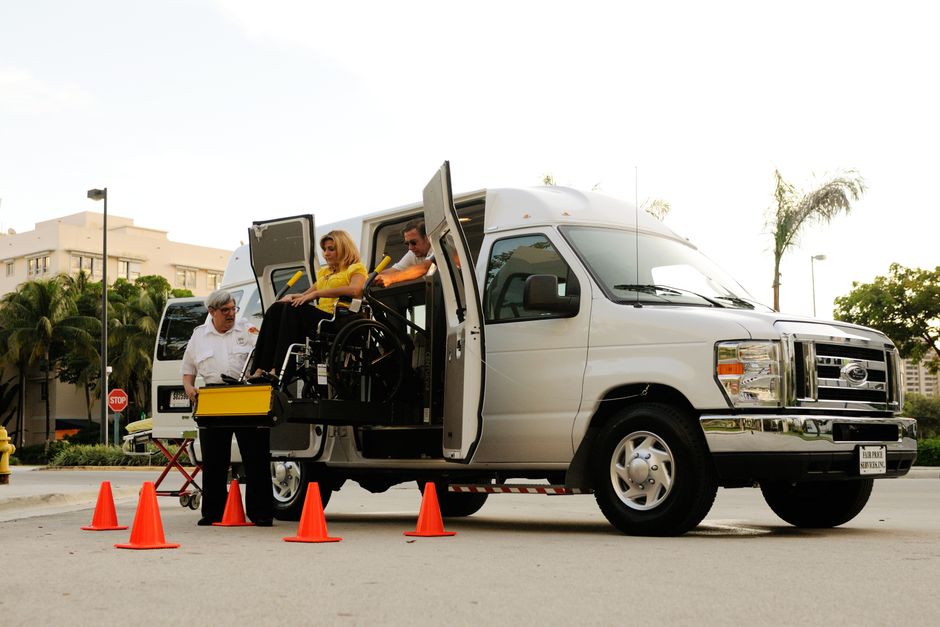
Paratransit is the federally required backup for anyone who can’t use a regular fixed-route bus or train — whether that’s because of a mobility limitation, vision loss, or another disability. It’s curb-to-curb service, typically in a wheelchair-accessible van or minibus, and it has to be offered within 3/4 mile of existing bus routes during the same hours those routes run.
To use it, you generally need to apply and get certified as paratransit-eligible with your local transit agency — eligibility can even be conditional, such as only for evening trips if you have trouble seeing at night. Rides need to be booked at least a day in advance, and because vehicles often make multiple stops, trips can take longer than a direct ride. A personal care attendant usually rides free; a companion may need to pay a fare.
4. Microtransit and On-Demand Shared Rides
Microtransit is the newer option a lot of people haven’t heard of yet. It works like a rideshare app — you book on your phone and a smaller shuttle or van picks you up — but it’s run by the public transit agency itself, and it’s usually cheaper than a standard rideshare fare. Unlike paratransit, most microtransit programs don’t require any disability certification; anyone in the service zone can use it.
The catch is coverage. Microtransit only operates within a defined zone, often a specific neighborhood or suburb. If your trip goes outside that zone, you’ll usually need to transfer to a fixed-route bus or train to finish the trip.
5. Rideshare Partnerships (Uber/Lyft for Paratransit-Eligible Riders)
Some cities and counties partner directly with Uber or Lyft to offer subsidized, on-demand rides as an alternative to traditional paratransit. The appeal is a direct trip instead of a shared, multi-stop paratransit run — you book through a taxi call center or a rideshare app, and the local program covers part of the fare.
These partnerships aren’t everywhere, so availability depends entirely on your city or county. And even where they exist, getting a wheelchair-accessible vehicle can mean a longer wait, and drivers aren’t necessarily trained the way paratransit drivers are.
6. Non-Emergency Medical Transportation (NEMT)
NEMT is a Medicaid benefit that covers rides specifically to medical appointments, and some Medicare Advantage plans now include a version of it too. Rides are usually arranged through an NEMT broker who acts as a dispatcher, and vehicles range from a regular sedan to a wheelchair-accessible van depending on your needs.
The limitations matter: NEMT only covers medical trips, not errands or social visits, and most plans cap the number of rides per month. Rides are typically shared with other passengers, and you’ll usually need to book a few days ahead through your state’s Medicaid program or your plan’s broker.
7. Volunteer Driver Programs
Volunteer driver programs are often the most personal option on this list — and frequently free. Nonprofit and faith-based organizations recruit local volunteers to drive older adults to appointments and errands, and many describe the service as “door through door and arm through arm,” meaning the driver actually walks you inside rather than just dropping you at the curb.
Because these programs depend on volunteer supply, availability varies a lot by community, and some restrict trips to medical appointments only. Not every volunteer’s vehicle is wheelchair accessible, so it’s worth asking ahead. Groups like America’s Volunteer Driver Center actively recruit drivers nationwide, so this option is growing in more places every year.
Quick Comparison: Which Program Fits Your Situation
With six different options, it helps to see them side by side. Here’s how they compare on cost, who qualifies, how far ahead you need to book, and where you can actually use them.
| Program Type | Typical Cost | Who Qualifies | Booking Lead Time | Availability |
|---|---|---|---|---|
| Discounted Public Transit | Free or reduced senior fare | Any older adult (age minimums vary by agency) | None — just show up | Wherever routes run; may require a walk to the stop |
| Paratransit (ADA) | Fare similar to regular transit; attendants ride free | Certified as unable to use fixed-route buses | At least 1 day ahead | Within 3/4 mile of bus routes, same service hours |
| Microtransit | Low flat fee, less than rideshare | Usually open to anyone in the zone, no certification | Same-day, app-based, often within the hour | Limited to a defined service zone |
| Rideshare Partnerships | Subsidized fare (city/county covers part) | Usually must be paratransit-certified | On-demand | Select cities and counties only |
| NEMT (Medicaid) | Free for covered medical trips | Medicaid enrollees; some Medicare Advantage plans | Typically a few days ahead through a broker | Medical appointments only; monthly ride caps apply |
| Volunteer Driver Programs | Usually free | Varies by nonprofit; often trip-purpose limited | Several days to a week (limited driver supply) | Depends on local volunteer availability |
If you’re not sure where to start, use this quick decision guide:
- You live in a city or town with regular bus/train service and can walk to a stop → Start with discounted public transit — it’s the cheapest and requires no application.
- You can’t safely use a regular bus due to a disability, but you live near existing routes → Apply for ADA paratransit certification through your local transit agency.
- Your area has a transit agency app but limited fixed routes → Check whether microtransit covers your neighborhood.
- You’re on Medicaid and need a ride to a medical appointment → Ask your state Medicaid program about NEMT and how to reach a broker.
- You live in a rural area with no transit agency at all → Volunteer driver programs and the Rides in Sight database are usually your best options.

How to Find Programs Near You
Every one of these programs is run locally, so the fastest way to find what’s actually available where you live is to call one of these resources:
- Area Agency on Aging: Your local aging services office can tell you exactly what’s offered in your county. Find yours through the Eldercare Locator by ZIP code, or call 800-677-1116.
- Rides in Sight: A national database that lists costs, eligibility rules, hours, and wheelchair accessibility for transportation options near you. Search online or call 855-607-4337.
- Dial 211: United Way’s 211 service provides local transportation referrals. Just dial 211 or check their website.
- National Center for Mobility Management: Offers a searchable Community Transportation Provider Map covering many regions.
- Mobility Managers: Local professionals — often based at transit agencies, health systems, or aging services offices — who can help coordinate the right combination of options for your situation.
Frequently Asked Questions
Is paratransit really free or just discounted?
It depends on the program, but paratransit is usually not entirely free — most agencies charge a fare similar to regular transit fares. A personal care attendant riding to assist you typically rides free, while a companion who’s just along for the trip may need to pay their own fare.
What if I live in a rural area with no transit?
Rural areas often don’t have fixed-route buses or paratransit at all, but volunteer driver programs frequently fill that gap, especially through nonprofit and faith-based organizations. The Rides in Sight database and the Eldercare Locator (800-677-1116) are the best starting points, since they can point you to whatever local option exists — even in areas without a formal transit agency.
Can family caregivers get reimbursed for driving me?
Some Medicaid programs and Medicare Advantage plans that include NEMT benefits will reimburse mileage for a family member who provides rides to medical appointments, but the rules vary significantly by state and plan. Contact your state’s Medicaid program or your plan’s member services line to ask about mileage reimbursement specifically.
How do I know if I qualify for NEMT through Medicaid?
NEMT is a standard Medicaid benefit, so if you’re enrolled in Medicaid, you likely already qualify for rides to covered medical appointments — you just need to contact your state’s Medicaid program or your assigned NEMT broker to schedule one. If you have a Medicare Advantage plan, check your plan documents or call member services to see whether transportation is included as a supplemental benefit.
Losing the ability to drive — or simply choosing to drive less — doesn’t have to mean staying home more. Between discounted transit, paratransit, microtransit, NEMT, and volunteer drivers, most communities have at least one option that fits a given budget and situation. The best next step is usually a single phone call: to your Area Agency on Aging, to Rides in Sight, or just dialing 211 to find out what’s actually available where you live.