
Falls, unsafe stairs, and hard-to-use bathrooms are one of the top reasons older adults end up leaving a home they’d otherwise like to stay in. A ramp, grab bars, or a badly needed roof repair can mean the difference between aging in place safely and being forced into a costly move — but a full-price contractor renovation can easily run into the thousands of dollars.
Here’s what a lot of people don’t realize: help doesn’t only come from government grant programs. There’s a whole network of nonprofit and community-based organizations that provide free or low-cost home repairs and accessibility modifications specifically for seniors, and many of them are easier to qualify for than narrow federal programs. This guide rounds up seven of the most useful options for 2026.
1. Habitat for Humanity — Aging in Place Program
Habitat for Humanity is best known for building new homes, but many local affiliates also run an Aging in Place program built around what they call a “Housing Plus” model. It combines two things: a human-services evaluation of the homeowner’s needs and a construction assessment of the home itself. Based on that combined assessment, the affiliate can complete modifications such as:
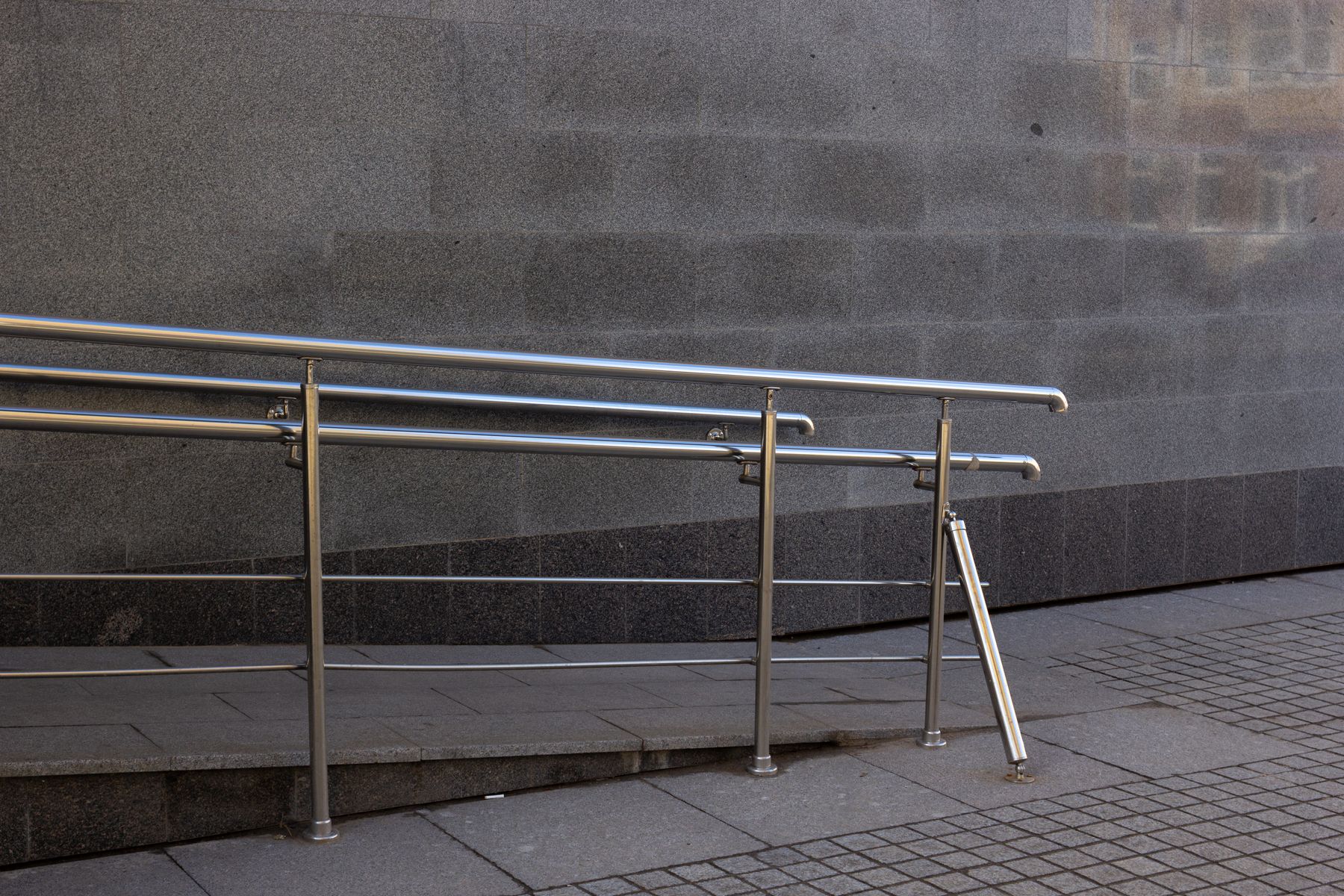
- Wheelchair ramps
- Grab bars and handrails
- Lever-style door handles (easier to use than round knobs for people with limited grip strength)
- Raised or accessible toilets
Beyond the physical repairs, Habitat affiliates often connect homeowners to other community resources too, like local Area Agencies on Aging or food and cleaning assistance programs.
How to apply: Eligibility, cost, and exactly what’s offered vary by local affiliate, so the first step is contacting your nearest Habitat for Humanity affiliate directly to ask about their Aging in Place or home repair services.
2. Rebuilding Together
Rebuilding Together is a national nonprofit network that relies on volunteer labor to provide free repairs and accessibility modifications for low-income homeowners — a group that includes many seniors and people with disabilities. Typical projects include:
- Safety repairs (loose railings, broken steps, electrical hazards)
- Weatherization-adjacent fixes (drafty windows, insulation gaps)
- Accessibility upgrades (ramps, bathroom modifications)
How to apply: Search for your local Rebuilding Together affiliate to check current eligibility requirements and application timelines, since local chapters manage their own waitlists and volunteer schedules.
3. Area Agencies on Aging (AAA) as a Starting Point
Area Agencies on Aging are a network of local organizations established under the Older Americans Act. Rather than funding repairs directly, AAAs act as a hub — they know which home repair and modification programs, contractors, and funding sources are actually active in your specific county, which can save hours of searching.
How to find your local AAA: Use the Eldercare Locator, a free nationwide service, to be connected with the Area Agency on Aging that covers your address.
4. USDA Section 504 (A Quick Cross-Reference)
If you live in a rural area and have very low income, it’s worth knowing that the federal USDA Section 504 program offers grants of up to $10,000 or low-interest loans of up to $40,000 for home repairs and accessibility improvements. This program has narrower eligibility rules (rural location plus a strict income limit) than the nonprofit options above, so it won’t work for everyone — but it’s a strong option if you qualify. For the full breakdown of income limits and how to apply, see our dedicated guide to the USDA Section 504 Home Repair Grant.
5. State and Local Home Modification Programs
Many states and counties run their own home-repair or accessibility-modification grant programs, often funded through Community Development Block Grants or a state department of aging. Eligibility, funding amounts, and even whether a program is currently accepting applications can vary widely from one place to the next. The most reliable way to find out what’s available where you live is to check directly with your state’s Department of Aging or your local Area Agency on Aging.
6. Nonprofit and Faith-Based Volunteer Repair Groups
Beyond the larger national organizations, many communities have smaller, local volunteer groups — often faith-based congregations or service organizations like Lions Clubs or Kiwanis chapters — that build wheelchair ramps or handle minor repairs for free. These groups aren’t always easy to find through a general search. Two practical tips: try searching “[your county] + ramp program,” and ask your local Area Agency on Aging, since they typically keep a running list of these smaller local resources.
7. How to Get Started: A Simple Checklist
With so many options, it helps to work through them in order rather than trying to research everything at once. Use this checklist to figure out which path applies to your situation:
| Step | What to Do | Why It Matters |
|---|---|---|
| 1 | Get a home safety assessment | Identifies exactly what needs fixing (ramps, grab bars, roof, plumbing) before you contact any program |
| 2 | Contact your local Area Agency on Aging | They know which programs are actually active and accepting applications in your county right now |
| 3 | Apply to a Habitat for Humanity or Rebuilding Together affiliate | These are the two largest nonprofit networks offering free repairs and modifications |
| 4 | Check state and county programs | Additional funding may be available on top of, or instead of, national nonprofit programs |
| 5 | Ask about USDA Section 504 if you’re in a rural area with very low income | Federal grant/loan option if you meet the narrower rural and income requirements |
Frequently Asked Questions
Is there a national program that covers home repairs for all seniors?
No single national program covers every senior automatically. Instead, help comes from a patchwork of nonprofit networks (Habitat for Humanity, Rebuilding Together), federal programs with narrower eligibility (like USDA Section 504 for rural, very-low-income homeowners), and state or local programs. Starting with your local Area Agency on Aging is the fastest way to find out what’s actually available to you.
Do these programs charge anything?
Most of the nonprofit programs listed here — Habitat for Humanity’s Aging in Place program, Rebuilding Together, and local volunteer/faith-based repair groups — are free or low-cost for qualifying homeowners, since they rely heavily on volunteer labor and donated materials. Exact costs, if any, vary by local affiliate, so always confirm with the specific organization before starting a project.
What if I don’t qualify for any of these — are there low-interest loan alternatives?
If you don’t meet the eligibility requirements for free nonprofit help or the USDA Section 504 grant, your Area Agency on Aging or state Department of Aging can often point you toward low-interest home repair loan programs, which are separate from the free grant and volunteer-based options covered in this guide.
Can renters get help with accessibility modifications too?
Some programs, particularly those run through Area Agencies on Aging or local nonprofits, do offer limited accessibility modification help to renters (such as grab bar installation), though eligibility rules typically differ from those for homeowners. Contact your local AAA to ask what’s available for renters specifically in your area.
Bottom Line
You don’t have to choose between an unsafe home and an expensive contractor bill. Between Habitat for Humanity’s Aging in Place program, Rebuilding Together, state and local grants, and smaller volunteer repair groups, there are multiple no-cost or low-cost paths to making a home safer to stay in. If you’re not sure where to start, contacting your local Area Agency on Aging is usually the quickest way to find out exactly what’s available in your area.