
If you’re 65 or older and own your home in Arizona, there’s a good chance you’ve heard neighbors mention the “Senior Freeze” without fully understanding what it does. Arizona’s Senior Property Valuation Protection Option can lock in your home’s assessed value for three years, but it does not freeze your actual tax bill the way many homeowners assume. Below, we break down exactly who qualifies, the 2026 income limits, and the step-by-step process for applying through your county assessor.
What Is the Senior Property Valuation Protection Option?
Officially called the Senior Property Valuation Protection Option and known informally as the “Senior Freeze,” this program is authorized under Arizona state law but administered individually by each county assessor’s office. Once approved, it freezes the home’s Limited Property Value (LPV) for three years.
Here’s the part that trips up a lot of applicants: the freeze applies to your assessed valuation, not your tax bill. Since your property tax bill is calculated as tax rate multiplied by assessed value, your taxes can still increase if local tax rates go up, even while your valuation stays flat. The program is renewable in three-year cycles as long as the homeowner continues to meet the eligibility requirements.

Who Qualifies? (Age, Residency & Ownership Rules)
Arizona counties apply the same core eligibility rules established under state law. Use this quick checklist to see where you stand:
- Age requirement: At least one owner on title must be 65 or older.
- Primary residence: The property must be the owner’s primary residence — not a rental, vacation home, or commercial property.
- Residency history: The owner(s) must have lived in the home for at least two years.
- Property type: Only residential property qualifies; commercial and investment properties are excluded.
If you meet all four conditions, the next question is simply whether your household income falls under the applicable limit.
2026 Income Limits
Arizona bases eligibility on average total income over the prior three years — and this includes far more than taxable wages. Social Security benefits, VA disability payments, pensions, capital gains, interest, and dividends all count toward the total, even the non-taxable portions.
The table below compares the two income thresholds side by side, since the limit depends on how many owners are on the title:
| Ownership Structure | 2026 Average Income Limit (3-Year Average) | What Counts as Income |
|---|---|---|
| One owner on title | Under $47,712 | Social Security, pensions, VA disability, wages, capital gains, interest, dividends |
| Two or more owners on title | Under $59,640 | Combined income of all owners from the same sources listed above |
Note: These figures are the county-verified thresholds reported for the 2026 application cycle. Limits can be adjusted, so always confirm the current-year number directly with your county assessor before you apply.
How and Where to Apply
Unlike many state benefit programs, this one is not processed by a single state office. Applications go through the County Assessor’s office where the property is located — for example, Maricopa, Pima, Pinal, Cochise, or Coconino County.
Here’s what the timeline typically looks like for a first-time applicant:
- Gather documentation: Collect proof of income for all owners on title for the prior three years, including tax returns, SSA benefit statements, and documentation for any other income sources.
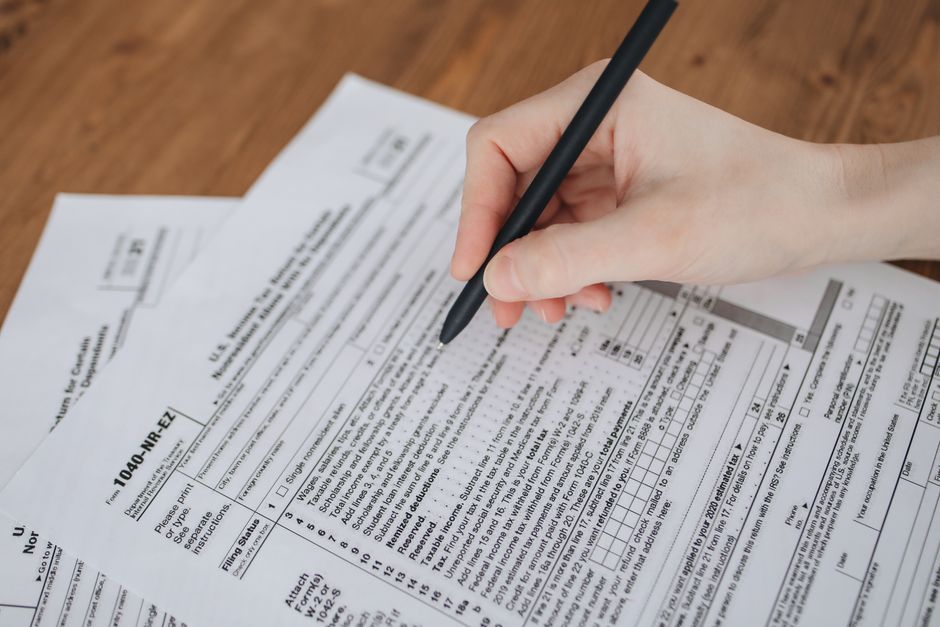
- Complete ADOR Form 82104: This is the official “Senior Property Valuation Protection Option” application form.
- Submit by the deadline: Most counties set the deadline on or before September 1, though this can vary slightly by county — always confirm the exact date with your local assessor.
- Wait for notification: Counties typically notify applicants of their qualification status by December 1.
Because the deadline and exact submission process can differ slightly from one county to the next, it’s worth calling your assessor’s office directly once you’ve gathered your documents.

What Happens After You’re Approved
Once approved, your Limited Property Value is frozen for three years. At the end of the cycle, you’ll need to renew if you still meet the eligibility requirements.
A common point of confusion: if your income rises above the limit partway through the three-year freeze, the freeze itself is not automatically revoked mid-cycle. However, when the renewal period comes around, you won’t qualify to renew it if your income is still too high at that point.
Here’s a simple example of why a frozen valuation doesn’t always mean a frozen bill:
- Your home’s Limited Property Value is frozen at $220,000 for three years.
- In year one, your local tax rate is 1.2%, resulting in a bill of roughly $2,640.
- In year two, if the local tax rate rises to 1.3% (due to a bond measure or budget change), your bill increases to roughly $2,860 — even though your assessed value did not change at all.
In short: the freeze protects you from rising valuations, which is still a meaningful benefit in a fast-appreciating market, but it does not shield you from rate-driven increases.
Senior Freeze vs. Other Arizona Property Tax Relief
The Senior Freeze is not the only property tax relief option available to Arizona homeowners. It’s worth knowing how it differs from other programs so you don’t miss out on additional savings:
- Property Tax Exemption for Widows/Widowers: A separate program with its own income and asset tests, available regardless of age.
- Property Tax Exemption for Disabled Persons: Also has independent eligibility criteria based on disability status and income.
- Veteran-specific exemptions: Additional relief options exist for qualifying veterans, again with separate rules.
Since these programs have different income and asset thresholds, ask your county assessor for a combined eligibility screening — you may qualify for more than one form of relief at once.
7 Things to Know (Quick Recap Box)
- It freezes your assessed value, not your tax bill.
- You must be 65+, own the home as your primary residence, and have lived there at least two years.
- 2026 income limit: roughly $47,712 for one owner, or $59,640 for two or more owners.
- Apply through your County Assessor’s office, not a state agency directly.
- The typical deadline is on or before September 1 each year, but confirm with your county.
- The freeze lasts three years and can be renewed if you still qualify.
- Ask your assessor about combining this with other exemptions, such as disability or veteran relief, if applicable.
The Senior Freeze can be a genuinely useful tool for Arizona homeowners on a fixed income, especially in counties where home values have climbed quickly in recent years. But because the program is administered locally and the exact deadlines and documentation requirements can vary by county, your best next step is a direct call to your county assessor’s office to confirm this year’s specifics before you submit ADOR Form 82104.